

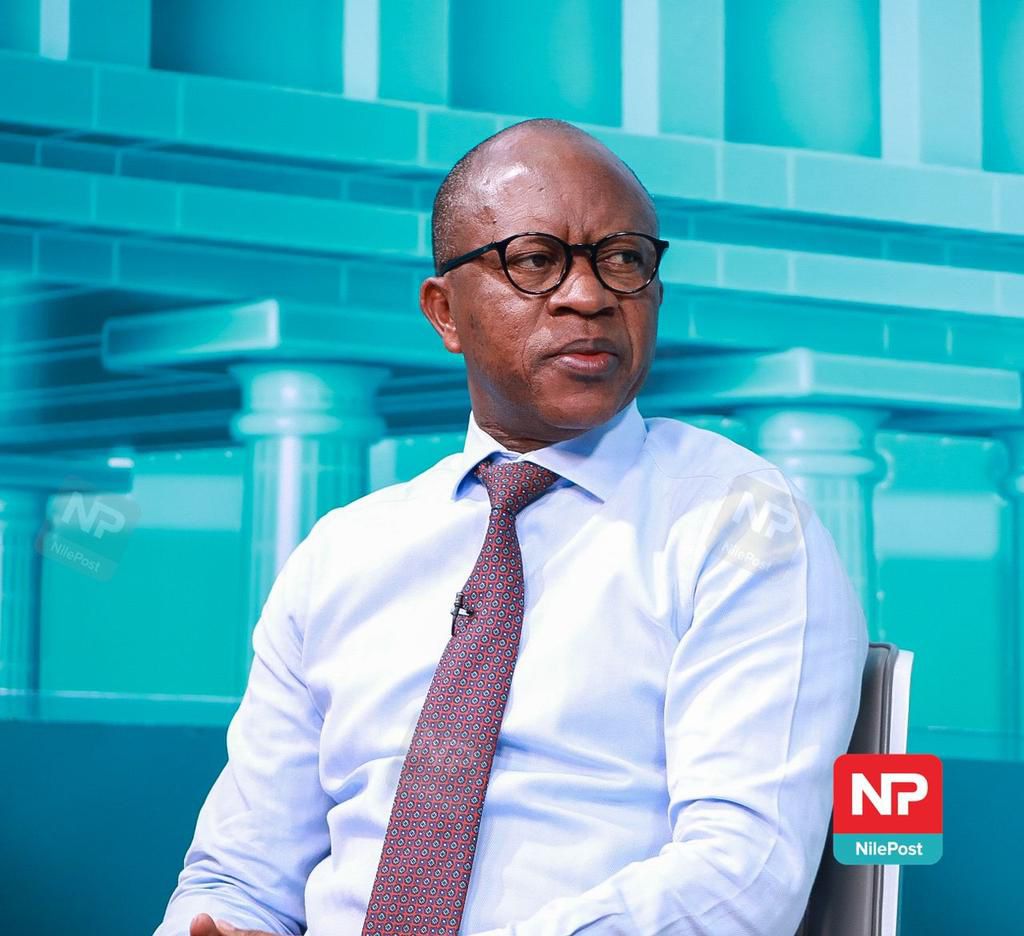
Outspoken political analyst Frank Gashumba has cast doubt on the ability of Members of Parliament to fully understand and interrogate critical national legislation, particularly the proposed Protection of Sovereignty Bill, 2026, currently under consideration.
Speaking on NBS Barometer on Tuesday, Gashumba questioned whether legislators have sufficiently analysed the Bill’s contents and associated implications before engaging in debate.
“The Governor of the Bank of Uganda explained the implications of the Sovereignty Bill, but if there is a determination to pass it, it will still go through. I doubt that these MPs have even watched that clip,” he said.
His remarks come as the Bill continues to attract scrutiny from economists, legal experts, and financial sector regulators who warn that some of its provisions could introduce uncertainty into Uganda’s economic and financial systems.
In a detailed submission to Parliament’s Joint Committee on Defence and Internal Affairs, Bank of Uganda Governor Michael Atingi-Ego cautioned that while safeguarding sovereignty is a legitimate state objective, the Bill in its current form introduces what he described as “radical uncertainty” with potential systemic risks.
He warned that the proposed regulatory framework could fragment oversight of the financial sector and undermine economic stability.
“The financial system’s technical architecture must remain shielded from regulatory fragmentation. The Bill, in its current form, risks undermining the very economic strength upon which true national sovereignty is built,” Atingi-Ego said.
One of the key concerns raised relates to the Bill’s broad definition of “agents of foreigners,” which would require individuals or entities receiving foreign funding to register with the Ministry of Internal Affairs.
The central bank warns that this could unintentionally capture Ugandans in the diaspora.
With remittances estimated at about USD 1.5 billion in 2025, the Governor cautioned that such provisions could disrupt household incomes and reduce foreign exchange inflows, potentially increasing pressure on the shilling.
“Clause 1’s definition of a ‘foreigner’ includes Ugandan citizens residing abroad. Restricting these inflows risks exchange-rate volatility and import cost spikes,” he noted.
Further concerns were raised over Clause 22, which proposes a cap of Shs 400 million ($106,000) on foreign financial support without ministerial approval.
According to the central bank, this could disrupt capital inflows, shareholder financing, and cross-border banking relationships.
Atingi-Ego warned that international correspondent banks could reassess their exposure to Ugandan financial institutions, potentially affecting trade finance and cross-border transactions.
Another contentious provision, Clause 13, criminalises the publication of information deemed to “weaken or damage the economic system,” with penalties of up to 20 years in prison. The central bank warned this could have a chilling effect on economic reporting and research.
“If the Bank of Uganda or its officers publish a report showing rising inflation or currency depreciation, could that be interpreted as economic sabotage?” he asked.
The Bank of Uganda has urged Parliament to revise the Bill by exempting regulated financial institutions and removing provisions it describes as intrusive, including requirements related to assessing the physical and mental health of bank directors.
The debate comes as Uganda pursues its long-term “Tenfold Growth” strategy, which targets a USD 500 billion economy by 2040, a goal experts say depends heavily on policy stability and continued integration into global financial systems.
Gashumba also used the platform to express broader scepticism about Uganda’s political leadership structures, saying he does not expect significant change from both the current and future parliaments.
“In Uganda, those elected are often the ones who benefit the most,” he said, adding that he has reservations about democratic systems of leadership selection.
Former legislator Mubarak Munyagwa also criticised the performance of the 11th Parliament, describing it as lacking quality and passing legislation not aligned with public interest.
Political analyst Charles Rwomushana, meanwhile, argued that while Uganda’s system allows wide participation, decision-making remains centralised within the ruling structure.
“Decision-making is centralized, while participation is open to all,” he said.
